
Why Is Taper Knurling So Frustrating? (And How to Get Perfect Teeth Every Time)

On This Page
Picture this: You are setting up a high-volume job for automotive wiper motor shafts, electric motor armatures, or micro-precision watch dials. The part print calls for a crisp, clean knurl across a tapered section.
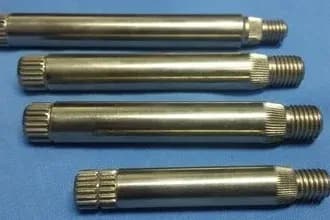 Wiper motor shafts
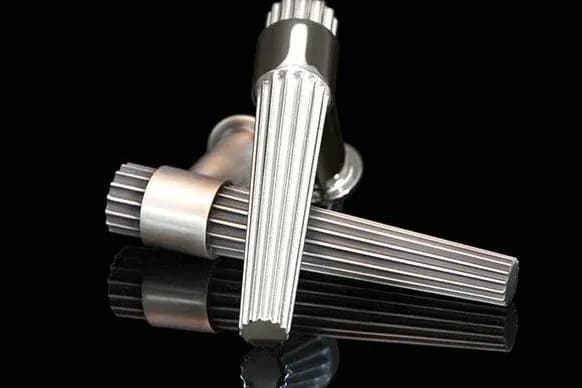 Electric motor armature shafts
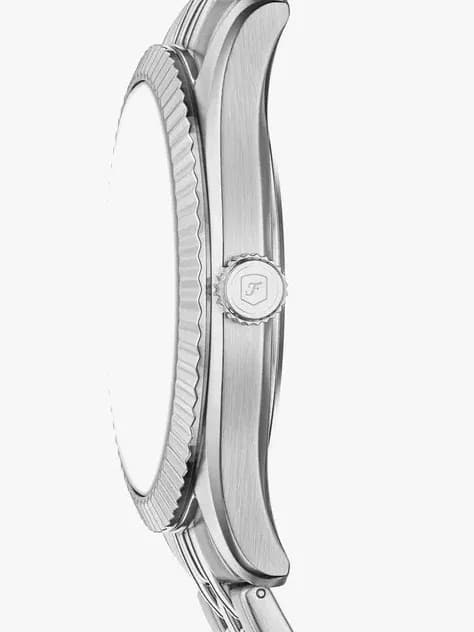 Watch bezels
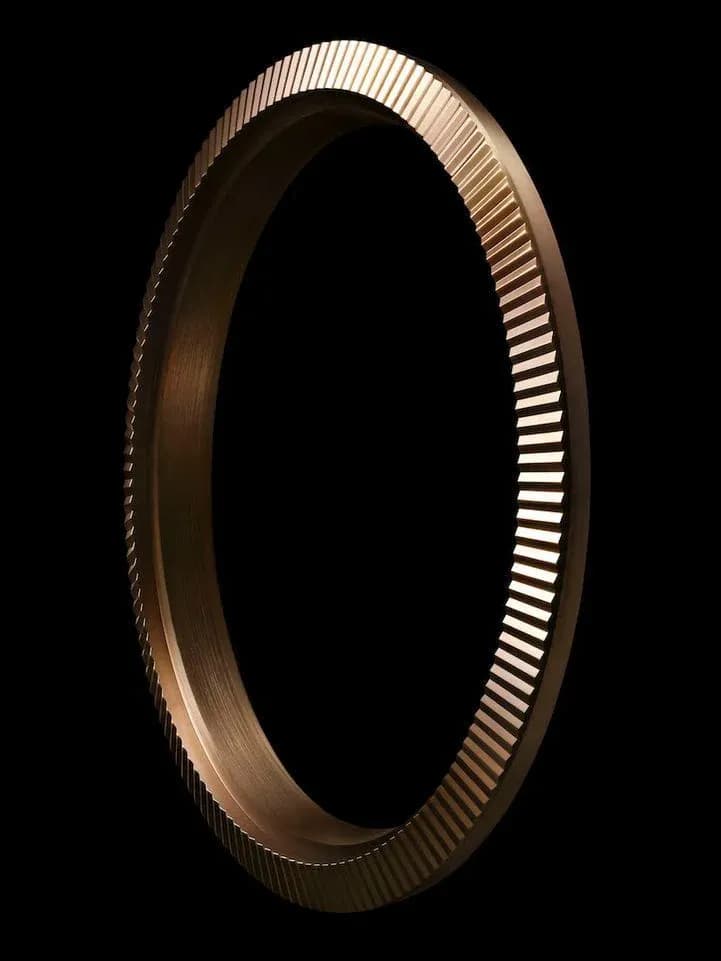 Thin-wall bezel rings
You set your offsets, press cycle start, and pull the first part out of the machine. Instead of a sharp, uniform pattern, you are looking at a total mess. The large end of the shaft looks halfway decent, but the small end is chewed up, double-tracked, and flaking off burrs, with a very thin wall at the edge.
You tweak the feed rates. You adjust the depth. You try again, and get the exact same ruined pattern. Before you know it, cycle time is ticking away, the rejection bin is filling up, and your customer is asking why parts aren't shipping.
If this sounds familiar, you are not alone. Taper knurling is widely considered one of the most headache-inducing operations on a lathe.
Why Is Taper Knurling So Hard?
When you knurl a standard straight cylinder, the diameter never changes. The knurling wheel rolls evenly, and every tooth lands exactly where it should on every revolution.
On a taper, the rules completely change:
- The Changing Diameter Problem: Your workpiece diameter is continuously shrinking from the wide end to the narrow end.
- The Pitch Trap: For a knurl to form cleanly, the circumference of the part must divide evenly into the distance between the teeth on your wheel. Because the circumference changes along a taper, a standard wheel cannot land in the same tracks on the small diameter as it does on the large diameter.
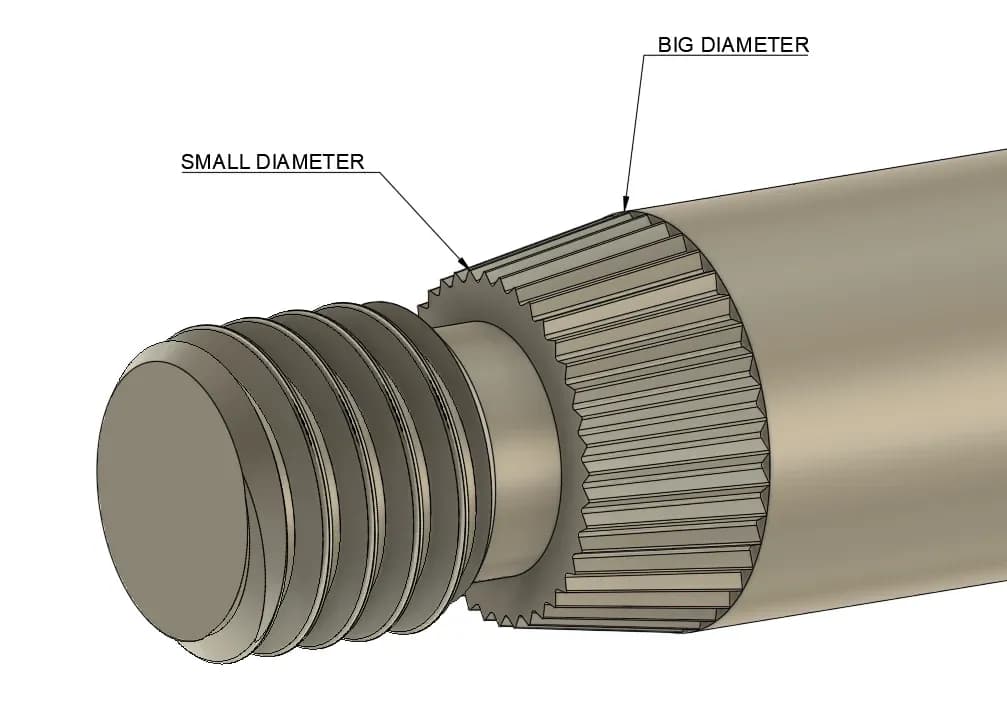
The result? The wheel forces too much material into the smaller end, causing the teeth to overlap, jump tracks, and crush your workpiece.
The 2 Ways Engineers Try to Do Taper Knurling (And Which One Works)
If you are struggling to get a clean finish on tapered shafts or dials, you generally have two main approaches to choose from. Understanding how each works will save you hours of trial and error on the machine.
Method 1: Tilting standard tools to match the taper angle
This is the most common work-around shops try when they don't know specialized tooling exists.
- On Manual Lathes: Operators tilt the compound slide or tool post so a regular straight wheel sits parallel to the taper angle.
- On CNC Lathes: Since CNC turrets are fixed, shops use custom fixed-angle holders or adjustable swivel-head holders to tilt the wheel into position.
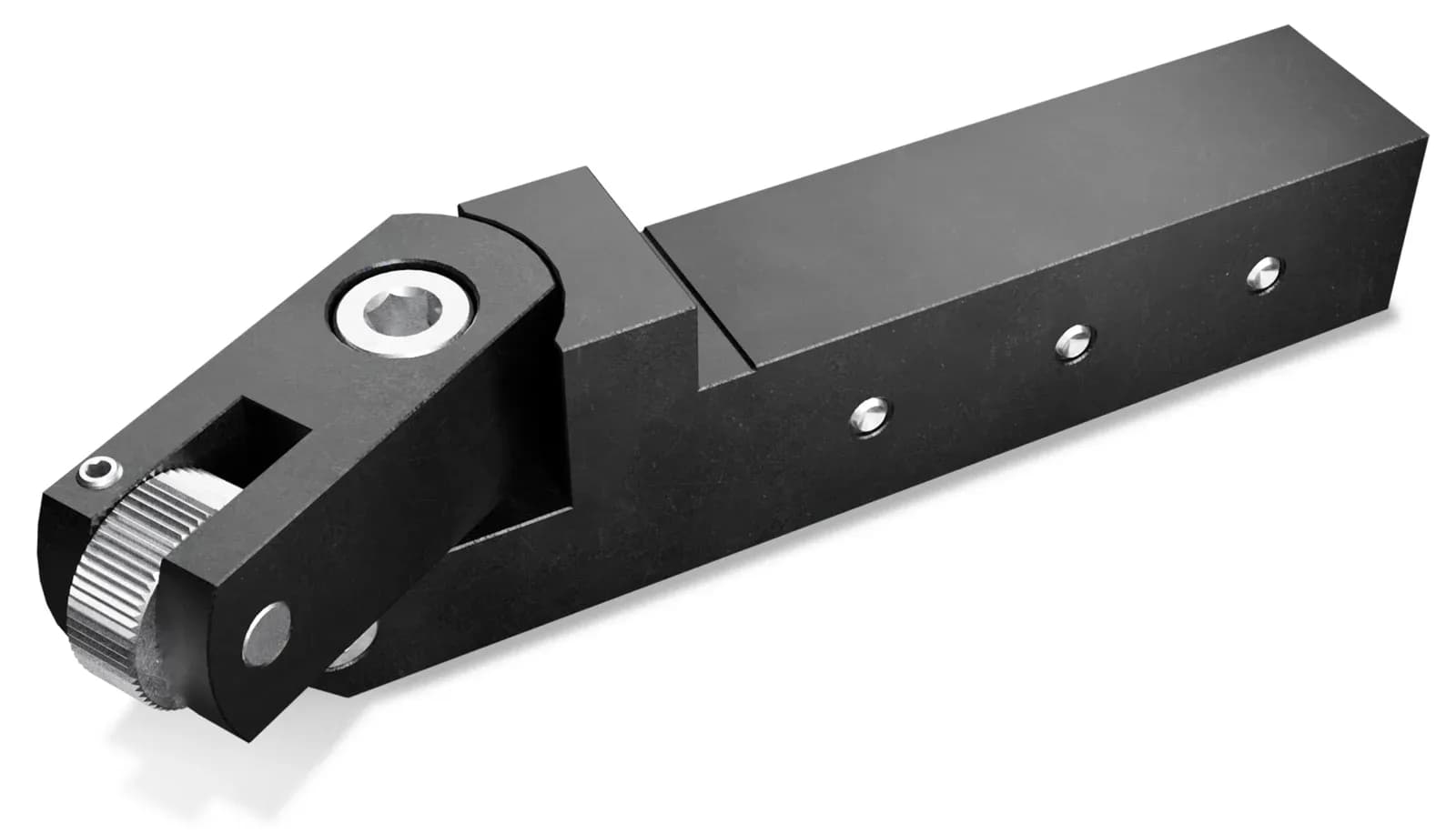
An adjustable swivel-head holder, such as the Rapid T104, tilts the wheel to match the taper angle.
Does it work? It depends on your tolerance. Angling a standard holder makes sure the wheel face touches the part along the entire angle (instead of digging in at a single corner). However, it does not change the fact that the wheel teeth are evenly spaced, while your part diameter is not.
For shallow angles or non-critical, rough grip knurls, this might get you by. But for precision splines on armature shafts, wiper motor components, or thin-wall watch bezels, this method almost always causes double-tracking on the small diameter.
Method 2: Using dedicated Tapered Knurling Wheels
When zero-defect production and uniform tooth form are required, this is the industry-standard fix.
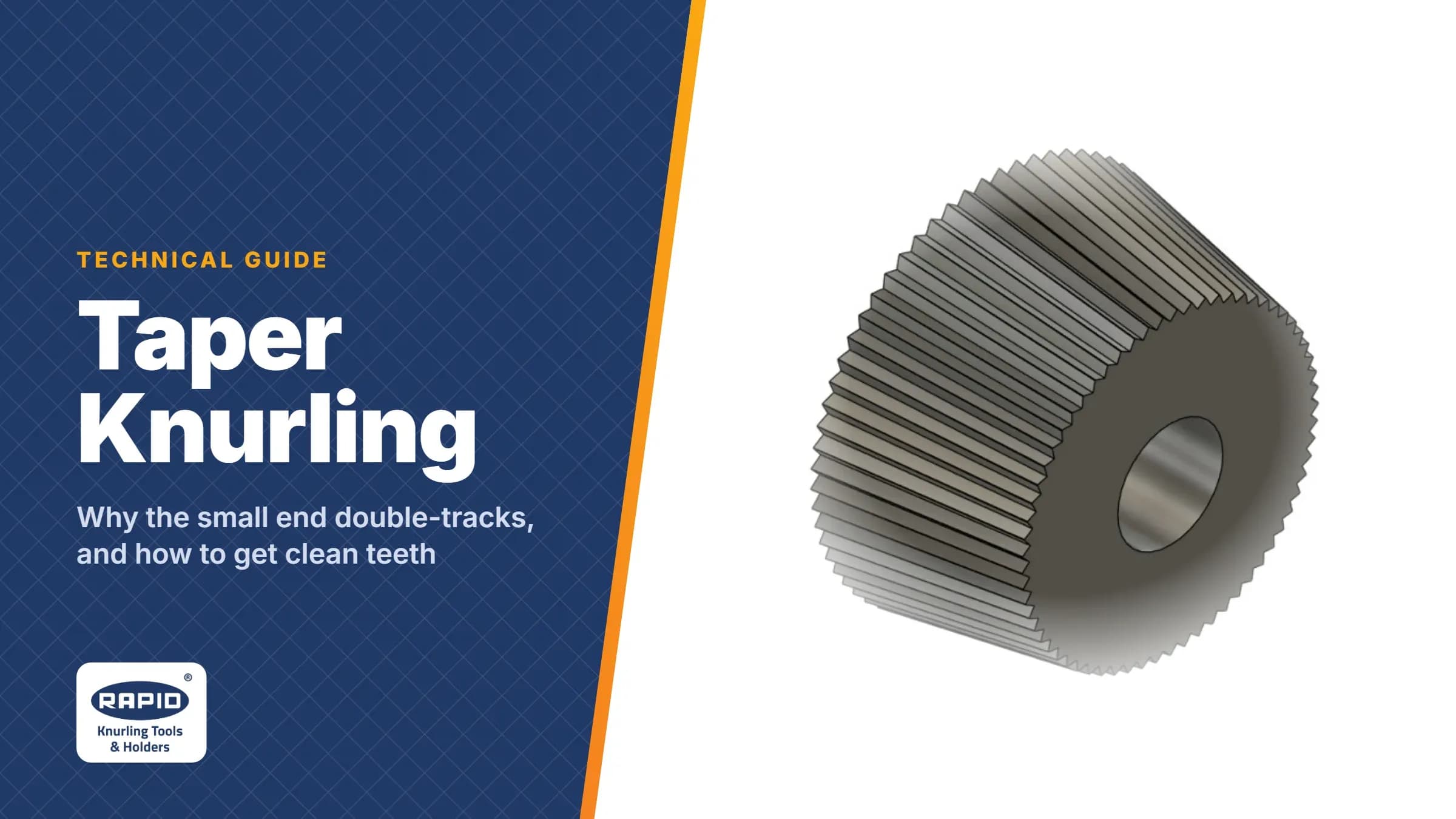
Instead of angling a standard wheel, you use a tapered knurling wheel engineered specifically for your part's geometry. The wheel itself is manufactured with a matching angle, and the distance between its teeth scales continuously from the wide end down to the narrow end.
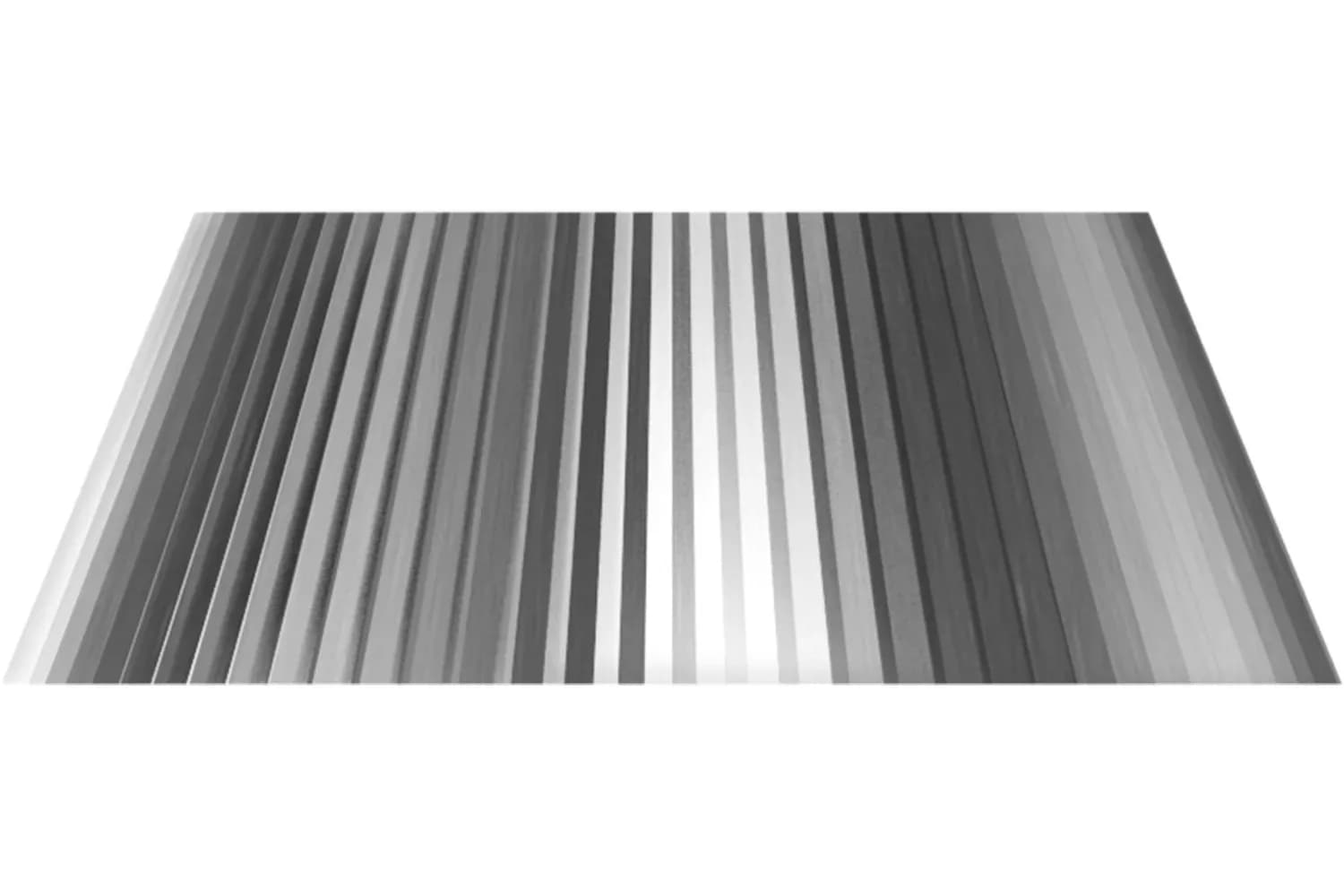 Tooth spacing scales from the wide end to the narrow end
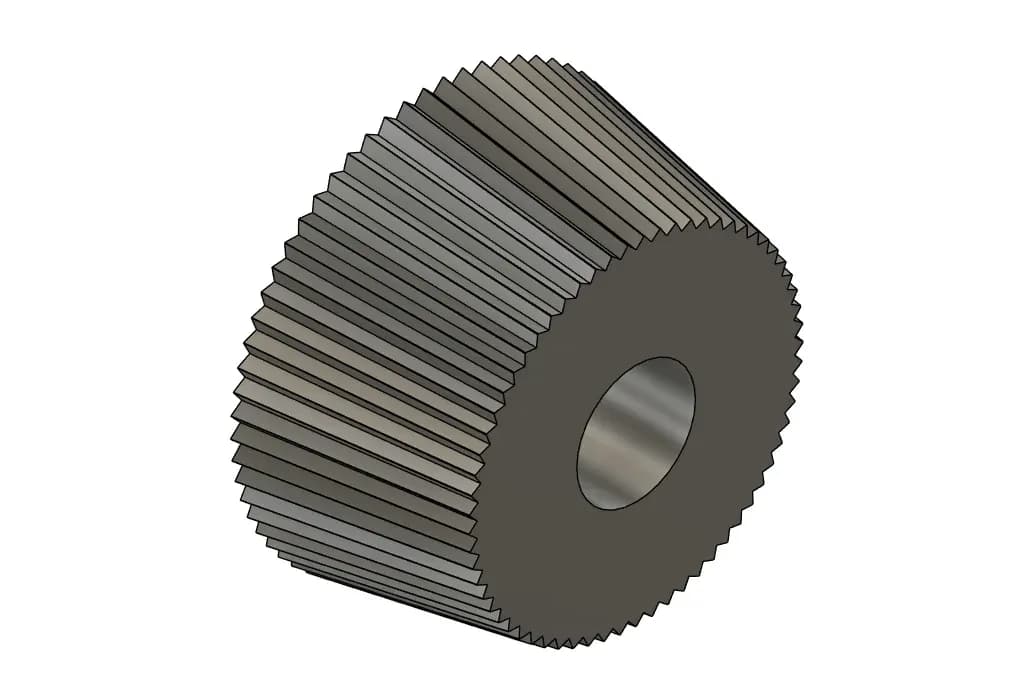 A tapered knurling wheel
Why this fixes your taper knurling rejection problem:
- It acts like a set of bevel gears: As the wheel turns, the pitch at the wide end matches the wide end of your part, and the pitch at the narrow end matches the narrow end of your part.
- No more double-tracking: Every tooth lands in its proper track on every single rotation, from the largest diameter to the smallest.
- Clean teeth without crushing: You get crisp, sharp peaks across the entire length of the taper without needing to slam the tool with excessive pressure.
3 Quick Setup Hacks for the Shop Floor for Taper Knurling
Even with the right tapered wheel, setup details matter, especially on slender shafts or delicate components:
- Nail Your Center Height: Being off-center by even a fraction of a millimeter will cause a tapered wheel to press harder on one end than the other. Always dial in your center height precisely.
- Watch for Shaft Deflection: Long, slender parts like armature shafts bend easily under knurling pressure. Always use tailstock support or sub-spindle support to prevent the small end from pushing away from the tool.
- Drive In Quickly: Don't hesitate or linger when initiating the knurl. Establish full depth within the first 1 to 2 revolutions so the wheel locks into its initial tracking lines immediately.
Let’s Solve Your Taper Knurling Challenge
If you are tired of rejection of expensive armature shafts, fighting double-tracking on wiper motor splines, or ruining delicate watch components, you don't have to guess your way through the setup. Send us your part drawing or tell us about your current job parameters. Our team can help you select the exact tapered knurling wheels and holder setups needed to produce flawless patterns, cut cycle times, and eliminate scrap on your CNC lathe. Contact the Rapid Knurls & Holder Team for your taper knurling pattern solution.
Related Articles
Diamond Knurling: Complete Guide to Types, Methods, Tools and Applications
Diamond knurling creates a cross-hatched pattern for grip, friction and mechanical retention. This guide compares form and cut knurling and shows which Rapid tool holder suits each application.
Understanding Knurling: What It Is and Why It Matters in Manufacturing
Knurling is a specialised machining process mainly used for gripping applications: impressing straight, angled, or crossed lines into a material's surface to enhance function and appearance.