
Choosing the Right Knurling Tool for Your Application

On This Page
Selecting the right knurling tool is crucial for achieving optimal results in manufacturing processes that require enhanced grip, aesthetic appeal, and precise mechanical engagement.
Understanding Knurling Tool Types
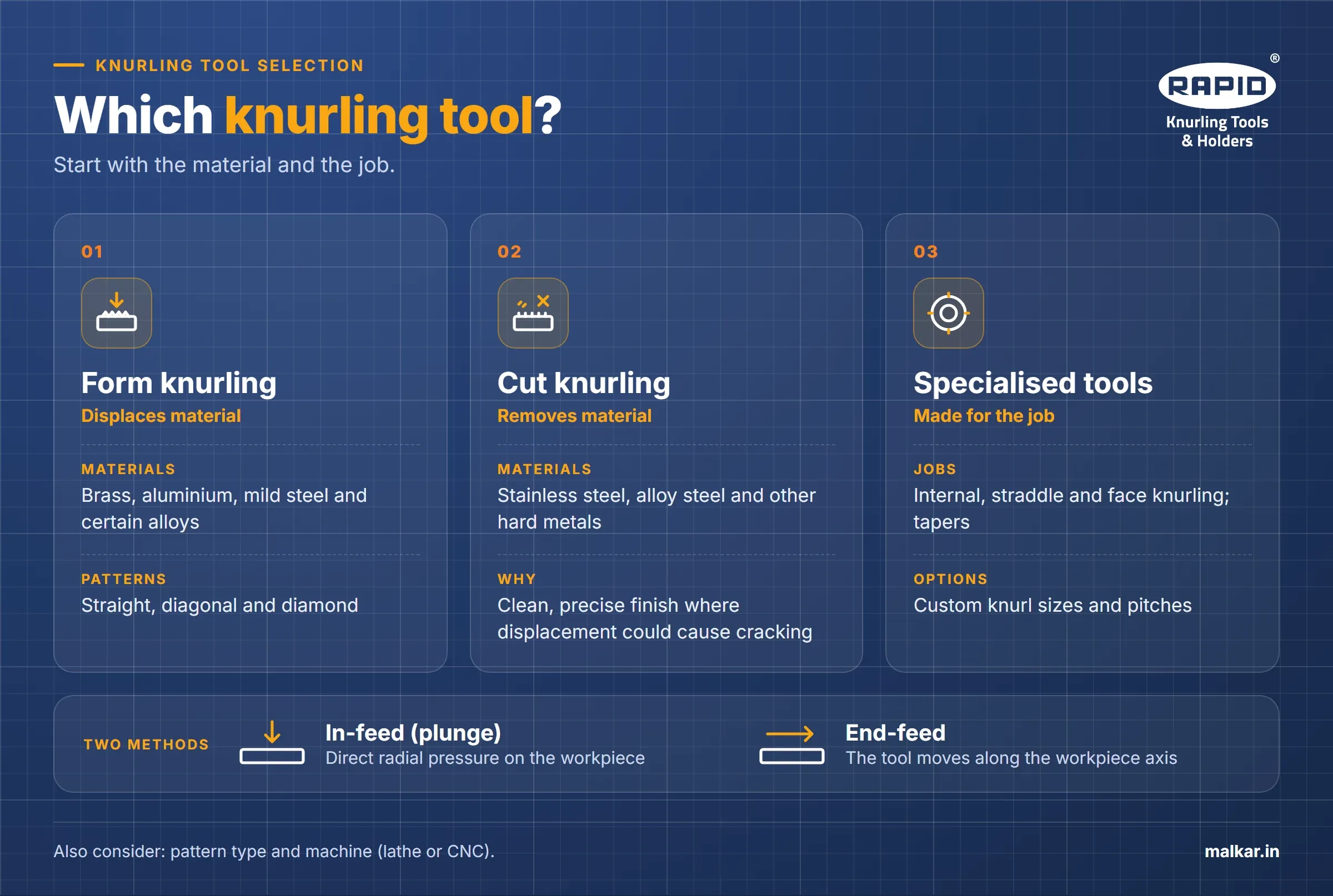
Knurling tools generally fall into three main types.
1. Form Knurling Tools
Form knurling tools press knurl patterns into the material through surface displacement rather than removal. Suitable for brass, aluminum, mild steel, and certain alloys, producing straight, diagonal, and diamond patterns.
2. Cut Knurling Tools
Cut knurling tools remove material from the workpiece surface to create the pattern. Suitable for stainless steel, alloy steel, and other hard metals, providing clean, precise finishes where displacement could cause cracking.
3. Specialized Knurling Tools
Custom-designed for specific tasks such as internal, straddle, or face knurling: non-standard operations on tapers, faces, or internal surfaces, with customizable knurl sizes/pitches and precision engineering to high tolerances.
Knurling Methods
In-Feed Knurling (Plunge Knurling)
Direct radial pressure is applied to the workpiece.
End-Feed Knurling
The tool moves along the workpiece axis, producing diagonal or straight patterns.
Raised vs. Indented Patterns
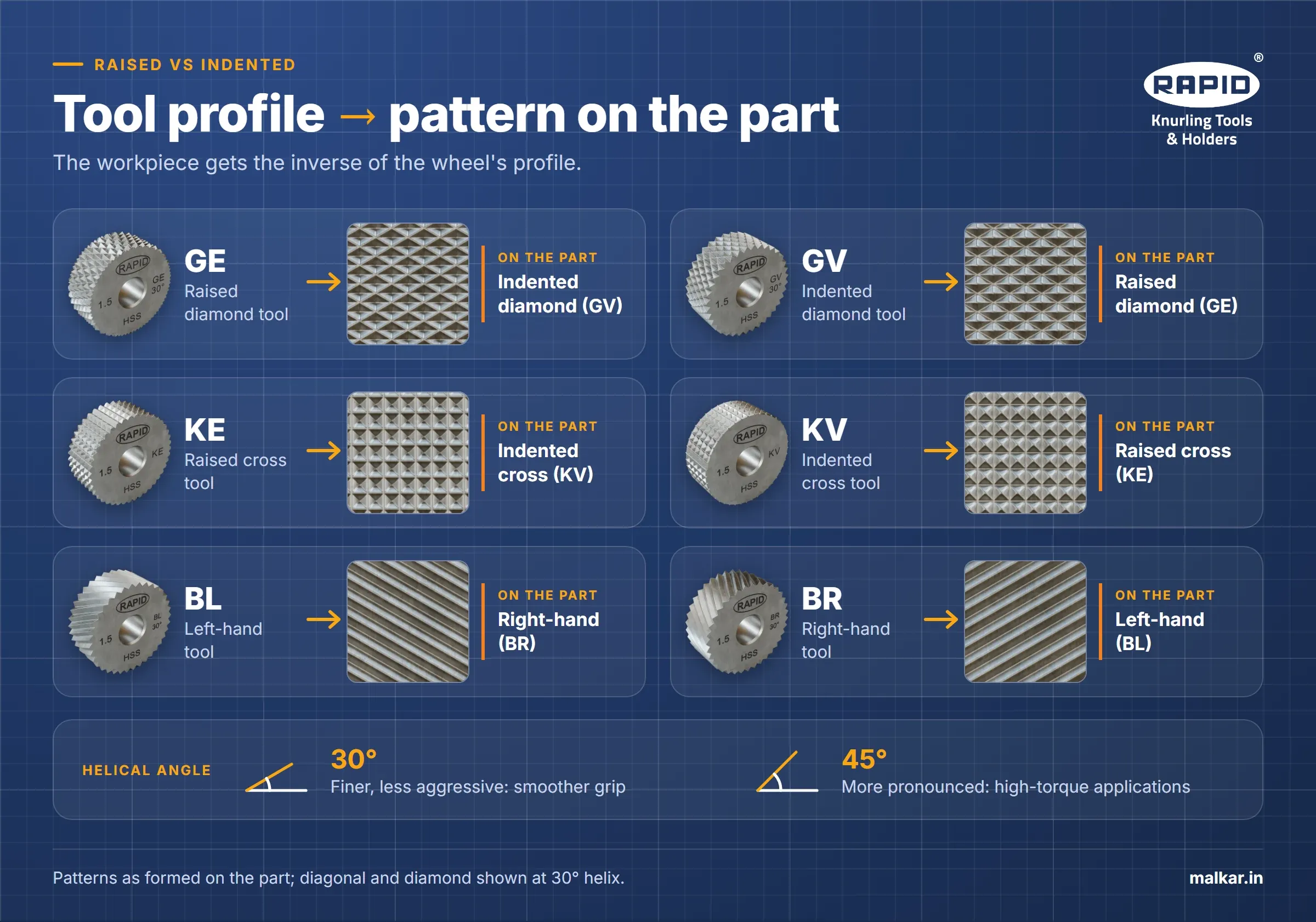
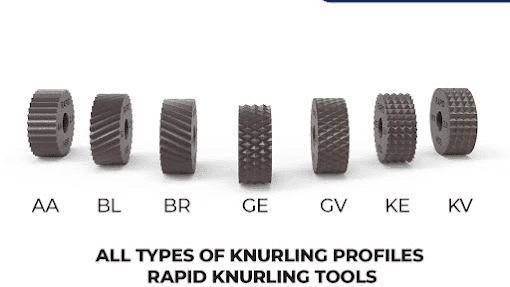
There's an inverse relationship between the tool's profile and the resulting pattern on the workpiece.
Diamond Patterns
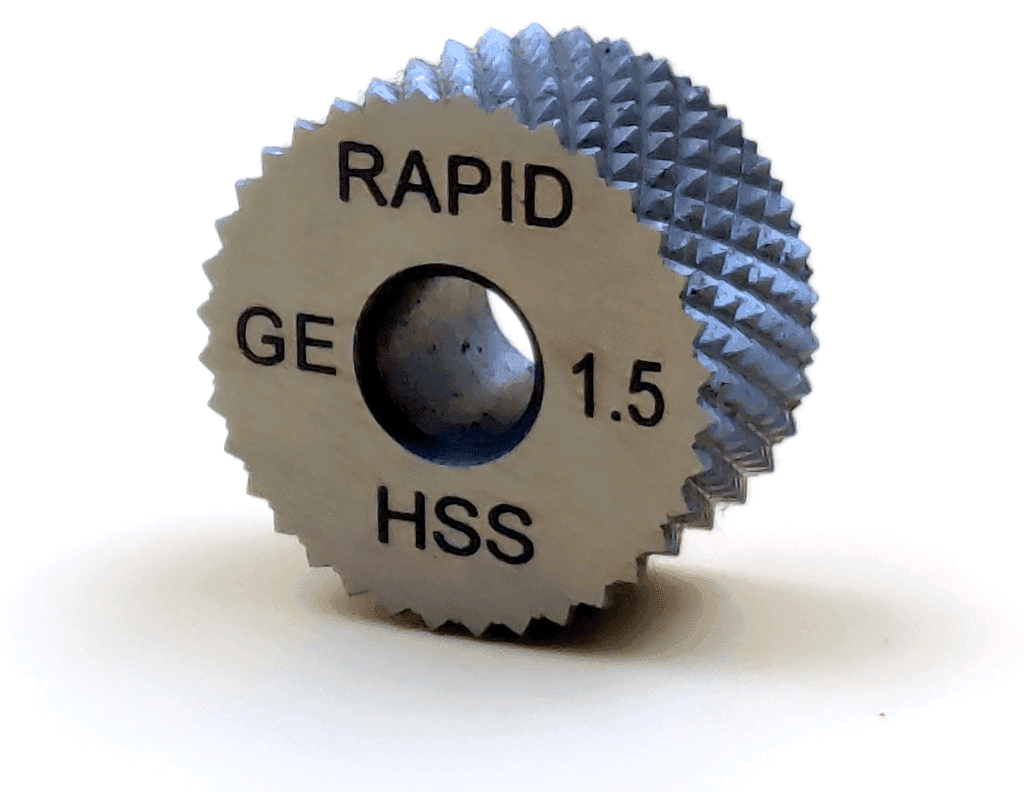
- GE (Raised Diamond Tool) → indented pattern on the workpiece
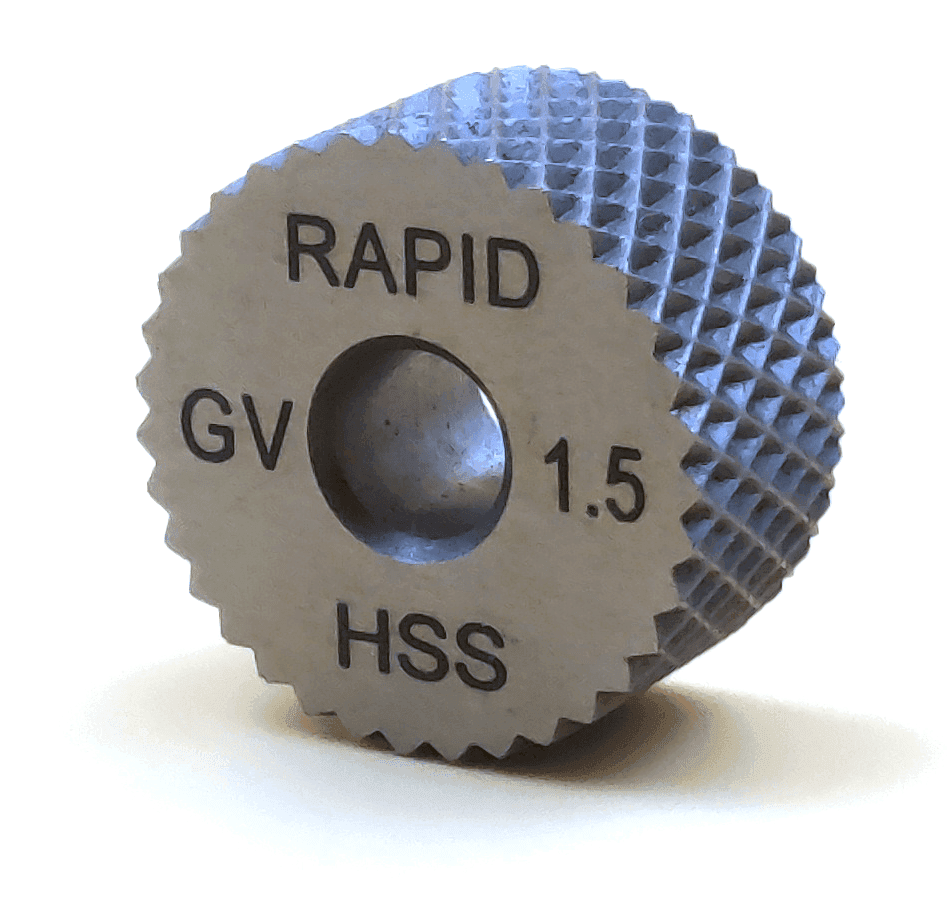
- GV (Indented Diamond Tool) → raised pattern on the workpiece


Cross Knurling
- KE (Raised Cross Tool) → indented cross-knurl pattern
- KV (Indented Cross Tool) → raised cross-knurl pattern
Factors to Consider When Choosing a Knurling Tool
1. Material of the Workpiece: soft materials favor form knurling with sharp edge profiles; hard materials require cut knurling tools to prevent surface cracking.
2. Type of Knurling Pattern
- Straight Knurling (AA): simple, functional grip using parallel ridges
- Diagonal Knurling (BL & BR): left-hand or right-hand directional patterns
- Diamond Knurling (GE & GV): raised or indented textures
- Cross Knurling (KE & KV): grid-like patterns
3. Machine Compatibility: conventional lathes accommodate most form/cut tools; CNC machines benefit from precision tools with integrated carbide pins.
Diagonal Knurling Explained
A closer look at left-hand and right-hand knurling:
- BL (Left-Hand Knurling Tool): ridges angled to the left, creating a right-hand (BR) pattern on the workpiece
- BR (Right-Hand Knurling Tool): ridges angled to the right, creating a left-hand (BL) pattern on the workpiece
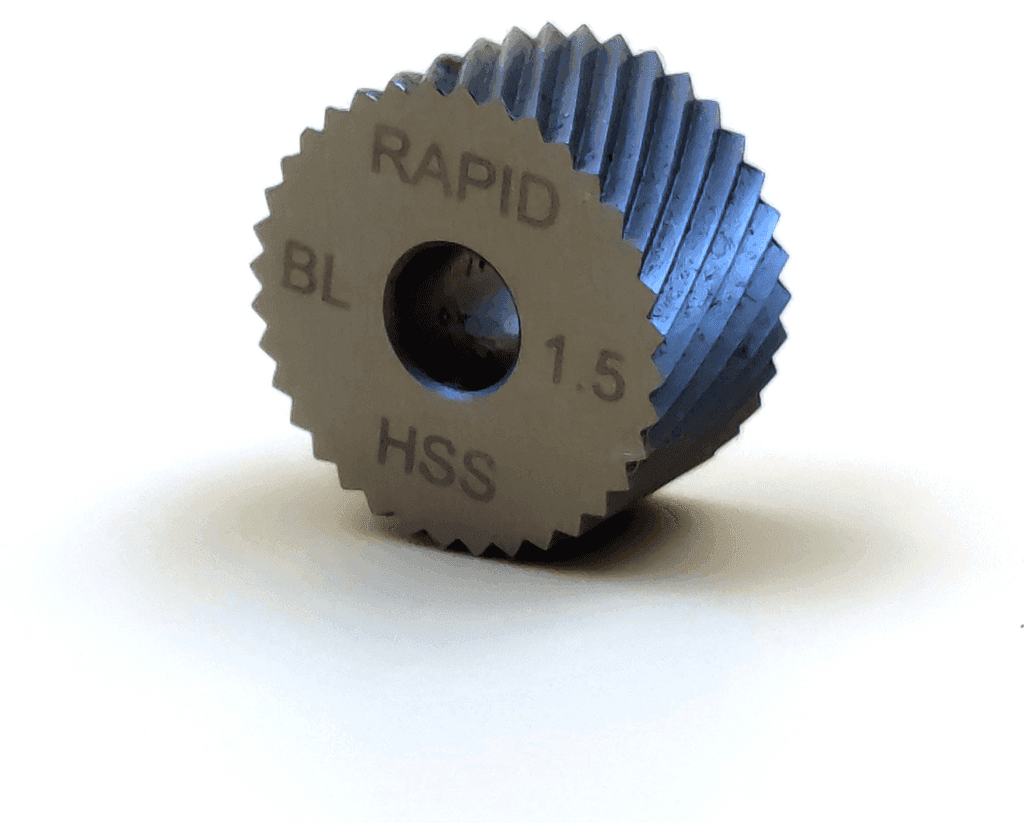
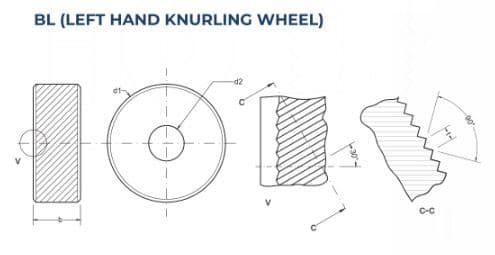
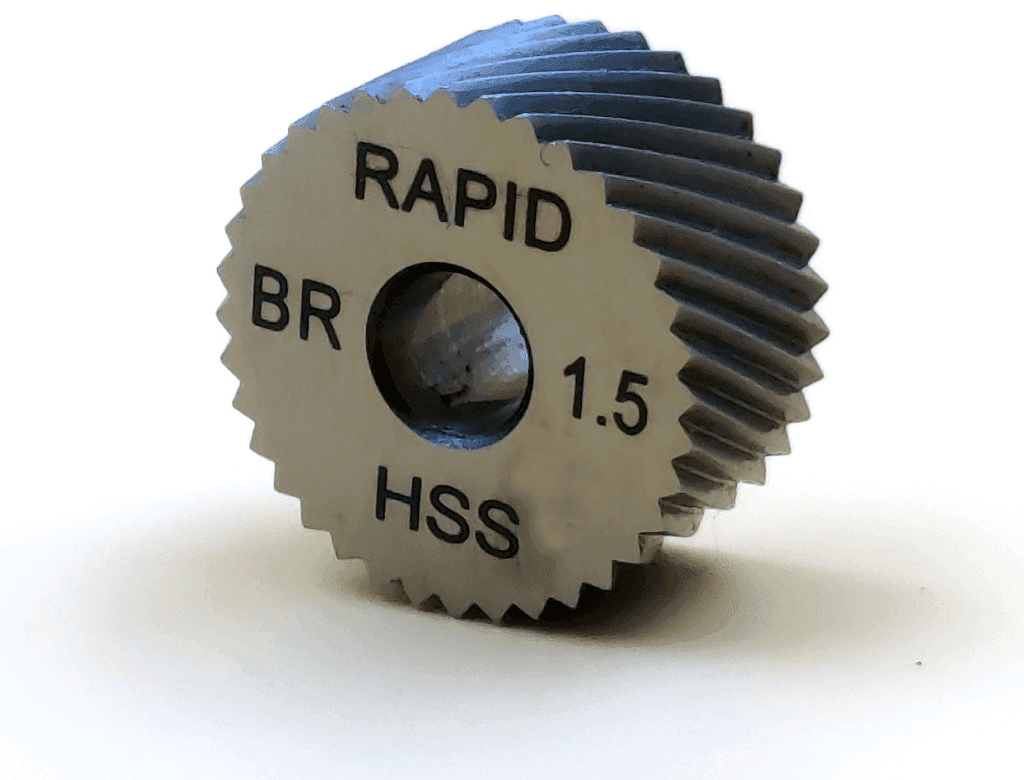
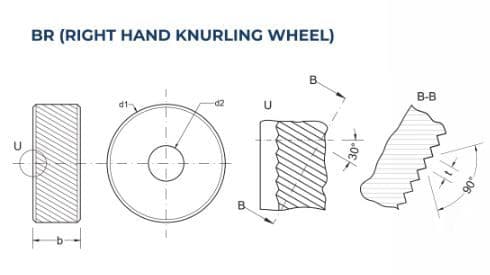
Helical Angle typically ranges between 30° and 45°. A 30° angle produces a finer, less aggressive pattern for a smoother grip; a 45° angle creates a more pronounced knurl for high-torque applications.
Knurling Tool Maintenance
- Regular inspection for wear on knurl teeth
- Sharpening of tools with milled sharp edge profiles
- Proper lubrication to reduce friction and heat buildup
Conclusion
Proper tool selection depends on careful consideration of the workpiece material, desired pattern, machine compatibility, and knurling method. The right tools ensure precision, durability, and efficiency in knurling operations.
Need Help Selecting a Knurling Tool?
Tell our engineering team your application and material, and we will recommend the right pattern, pitch, and holder.