
Fasteners & Cold Forging · Application
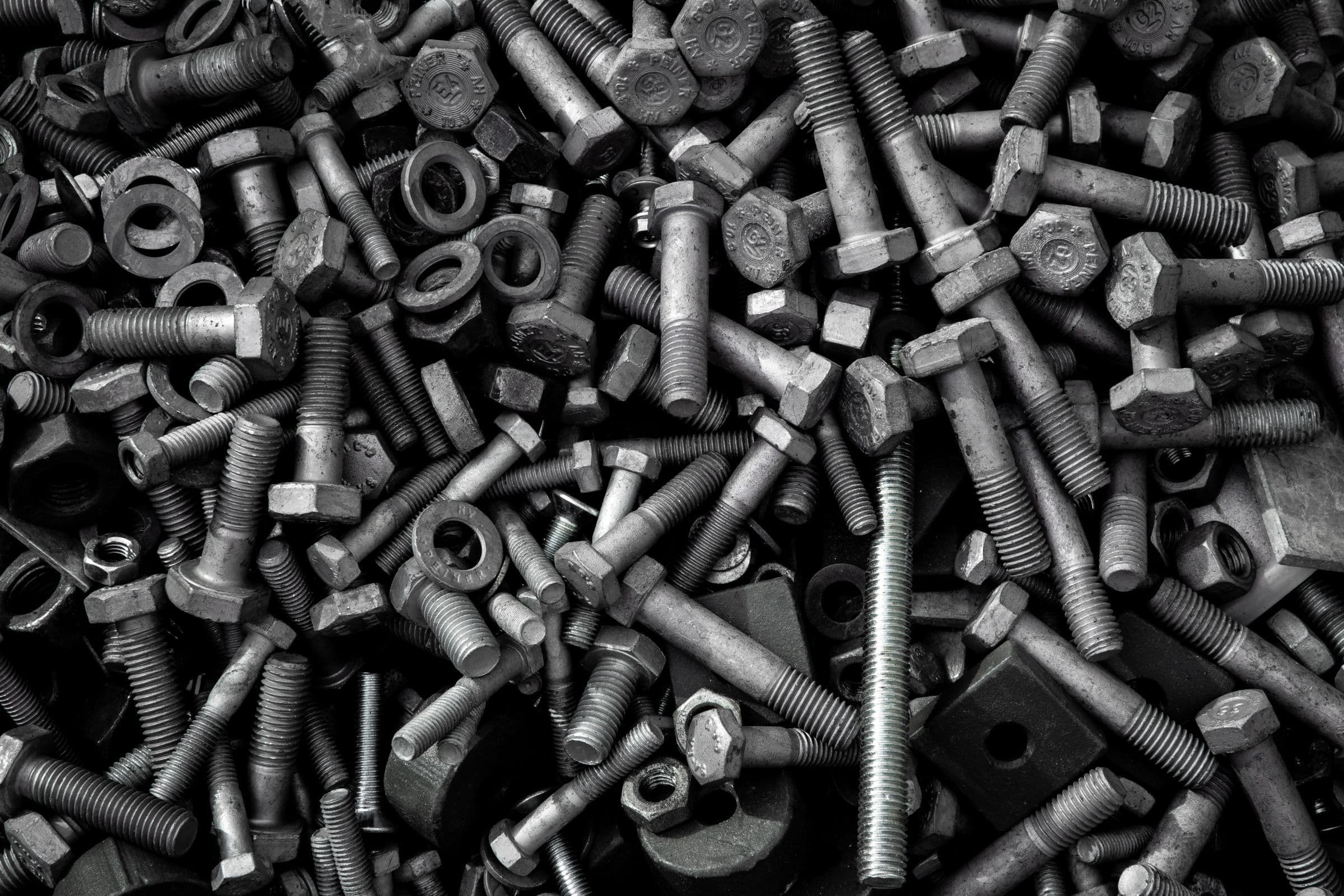
Press-in studs and wheel studs
A straight knurl under the head bites into the hole so the stud cannot turn when the nut is tightened.
- What was needed
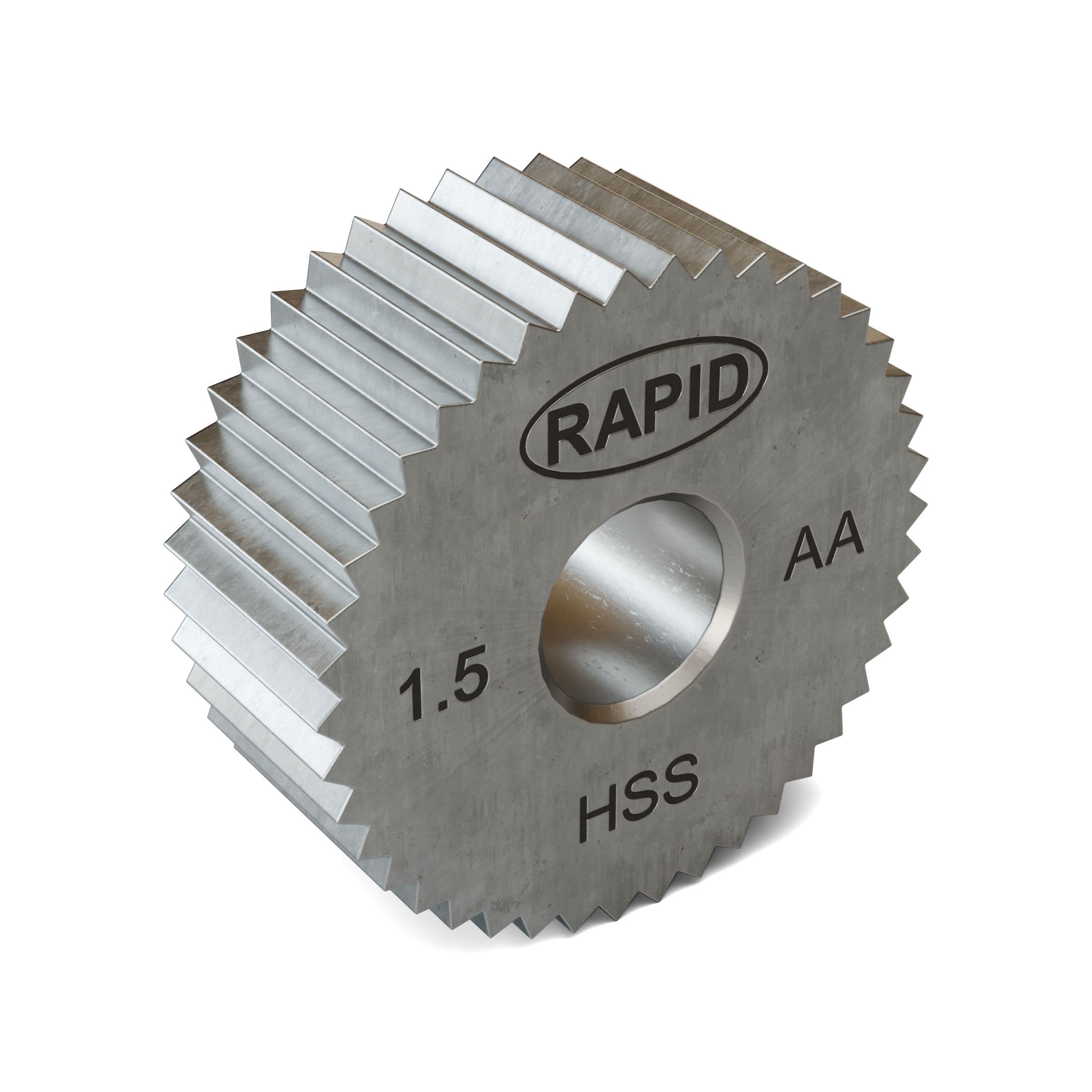
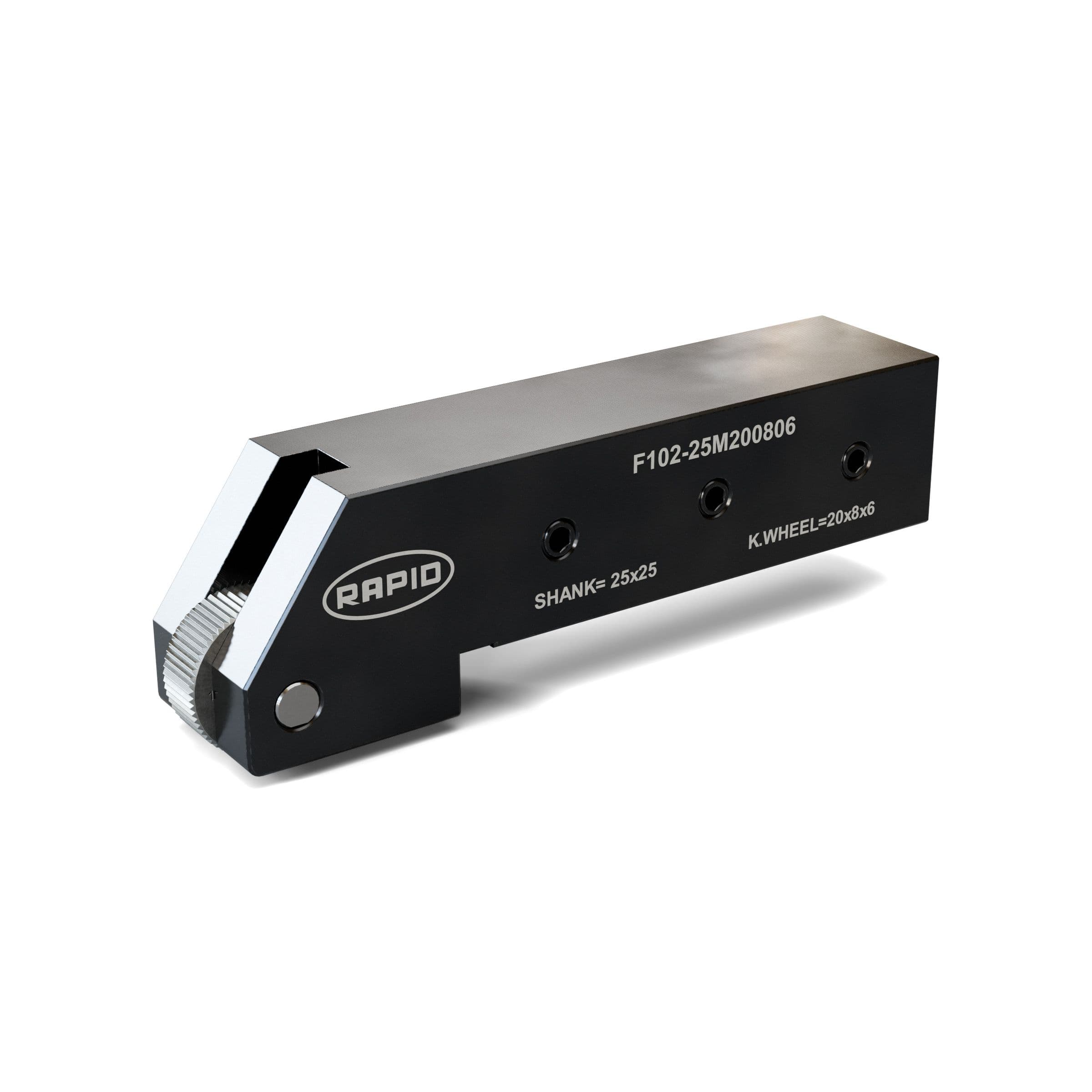
- Straight Form Knurling Wheel, CNC Single Form Knurling Tool Holder, Round Circular Thread Rolling Dies
- Requirements
- No rotation when the nut is tightened
- Consistent press-in force
- Strong, fatigue-resistant thread
- Result
- Studs that stay locked in the flange for the life of the assembly.
Problem
Wheel studs, hub bolts and press-in studs are pressed into a flange or hub and must not rotate when a nut is tightened or loosened, often at high torque and after years in service.
Solution
A straight form knurl (AA) on the shank under the head creates axial ridges that cut into the hole wall as the stud is pressed in. The thread is then produced by thread rolling, which keeps an unbroken grain flow in the thread.
- Form knurling keeps the knurl diameter repeatable for a consistent press force.
- Match the knurl pitch to the stud diameter and the hardness of the flange.
Benefits
Why it works
Anti-rotation
The knurl locks the stud in the flange.
Strong threads
Rolled threads have higher fatigue strength than cut threads.
High-volume production
Both operations suit automatic machines.
Talk to an application engineer
Tell us about your part, material and machine, and we'll recommend the right product and settings.
Explore
Related applications
Thread rolling of bolts, studs and screws
Thread rolling dies form threads without removing material, giving stronger, smoother threads at high production rates.

Gear hobbing
Hob cutters generate spur and helical gears for gearboxes, pumps, machinery and vehicles.
Grip knurling on knobs, handles and thumb screws
Straight and diamond knurls give a secure, comfortable grip on control knobs, tool handles, adjusters and hand-tightened screws.