

Leadscrews
Precision lead screws that translate rotary motion into linear motion. Thread-formed, thread-cut, or thread-ground in Carbon Steel, Alloy Steel and Stainless Steel.
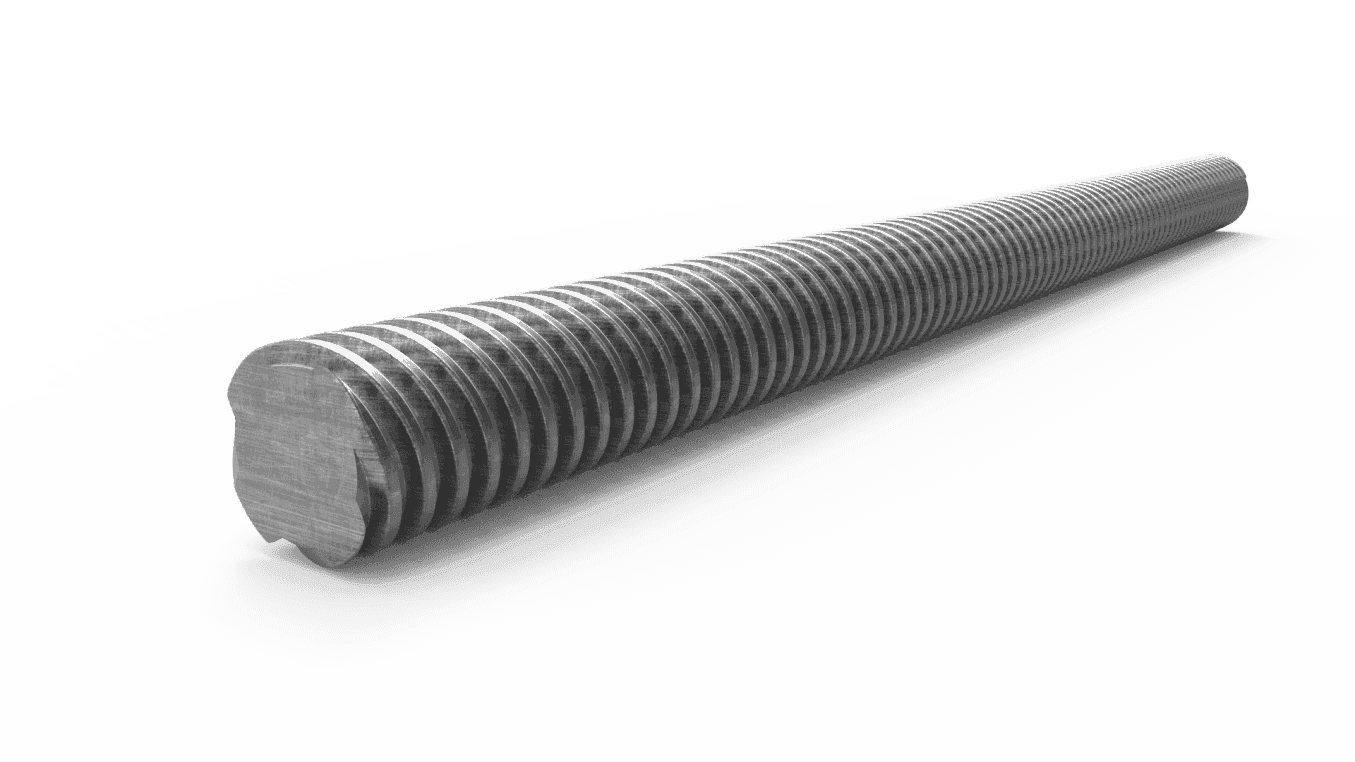
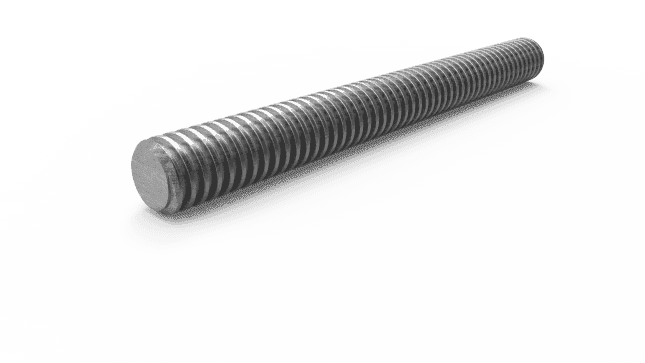
Three ways to make the thread
| Thread forming (rolled) | Thread cutting | Thread grinding | |
|---|---|---|---|
| Price | Lowest | Medium | Highest |
| Accuracy | Good | Better | Very precise |
| Profile | Accurate | Medium accurate | Very accurate |
| Run-out | Up to 0.1 mm | Up to 0.1 mm | Up to 0.03 mm |
| Pitch accuracy per metre | 300 µm | 500 µm | 50 µm |
| Production time, 1000 pcs | 1–2 weeks | 2–4 weeks | 5–9 weeks |
| Screw materials | MS, EN8, SS303, SS304, SS316 | EN8, EN19, WPS, EN24, EN36, SS303, SS304, SS316, SS410, SS420 | All ferrous materials |
Thread profiles
| Profile | Included angle | Forming | Cutting | Grinding |
|---|---|---|---|---|
| Trapezoidal | 30° | Yes | Yes | Yes |
| ACME | 29° | Yes | Yes | Yes |
| Metric | 60° | Yes | Yes | Yes |
| Square | No | Yes | No | |
| Multi-start (high helix) | Yes | Yes | Yes |
The ACME form replaced the square thread, whose straight flanks are difficult to manufacture. ACME comes in three classes: general purpose (G) and centralizing (C), both with a thread depth of half the pitch, and stub ACME, with a shallower thread. Centralizing threads have tighter tolerances and less clearance on the major diameter, so a side load does not make the nut wedge; even so, a lead nut is not designed to carry side loads from a pulley or drive belt.
Standard range and stock
- Single start: 46 sizes, Ø3 to 50 mm, pitch 0.5 to 8 mm
- Multi-start: 18 sizes, Ø5 to 24 mm, 2 to 8 starts, lead up to 30 mm
- Standard length 1000 ±50 mm; right hand, left hand on request
- 3 metre trapezoidal leadscrews in stock: 16x4, 20x4, 25x5, 30x6, 35x6, 36x6
- All tooling is made in-house, which keeps lead times short; standard leadscrews are held in stock
- Ends machined to your drawing (grinding, milling, broaching, threading) to fit bearings and housings
Where it's used
Applications for leadscrews
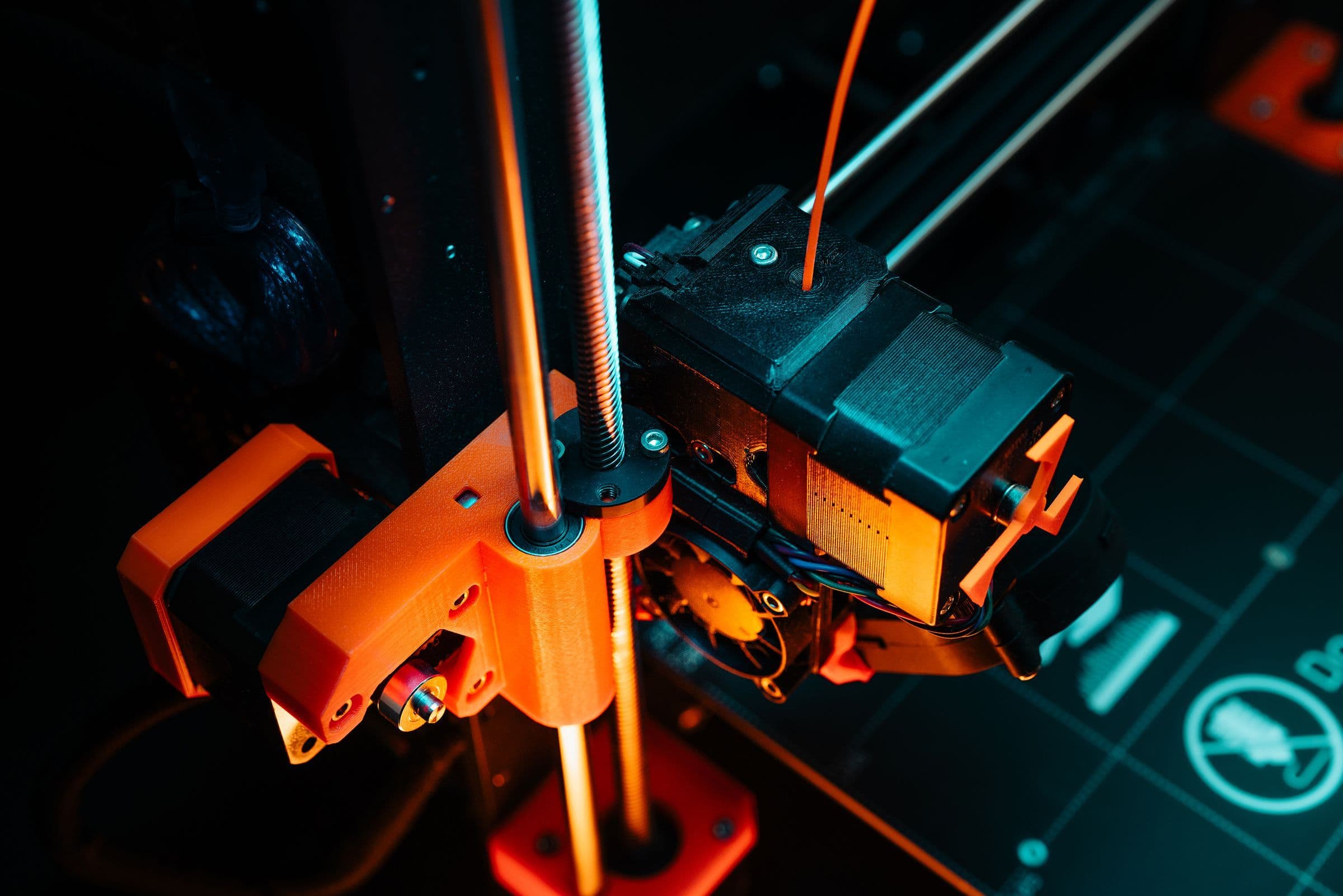
3D printer Z-axis
Leadscrews raise the print bed or gantry layer by layer with fine, repeatable steps.
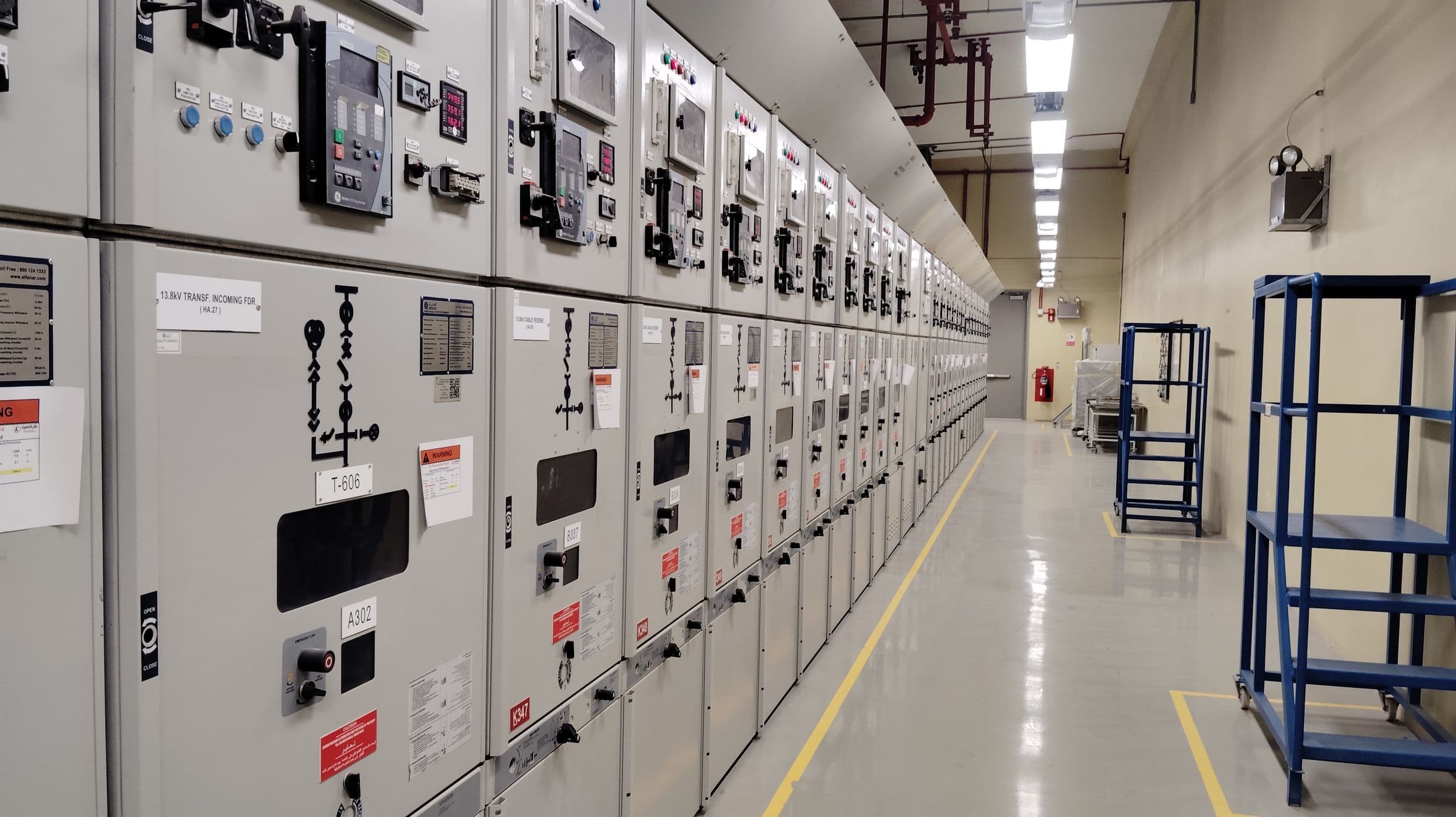
Operating mechanisms for switchgear
Worm reductions drive motorised isolators; leadscrews rack draw-out breakers in and out.
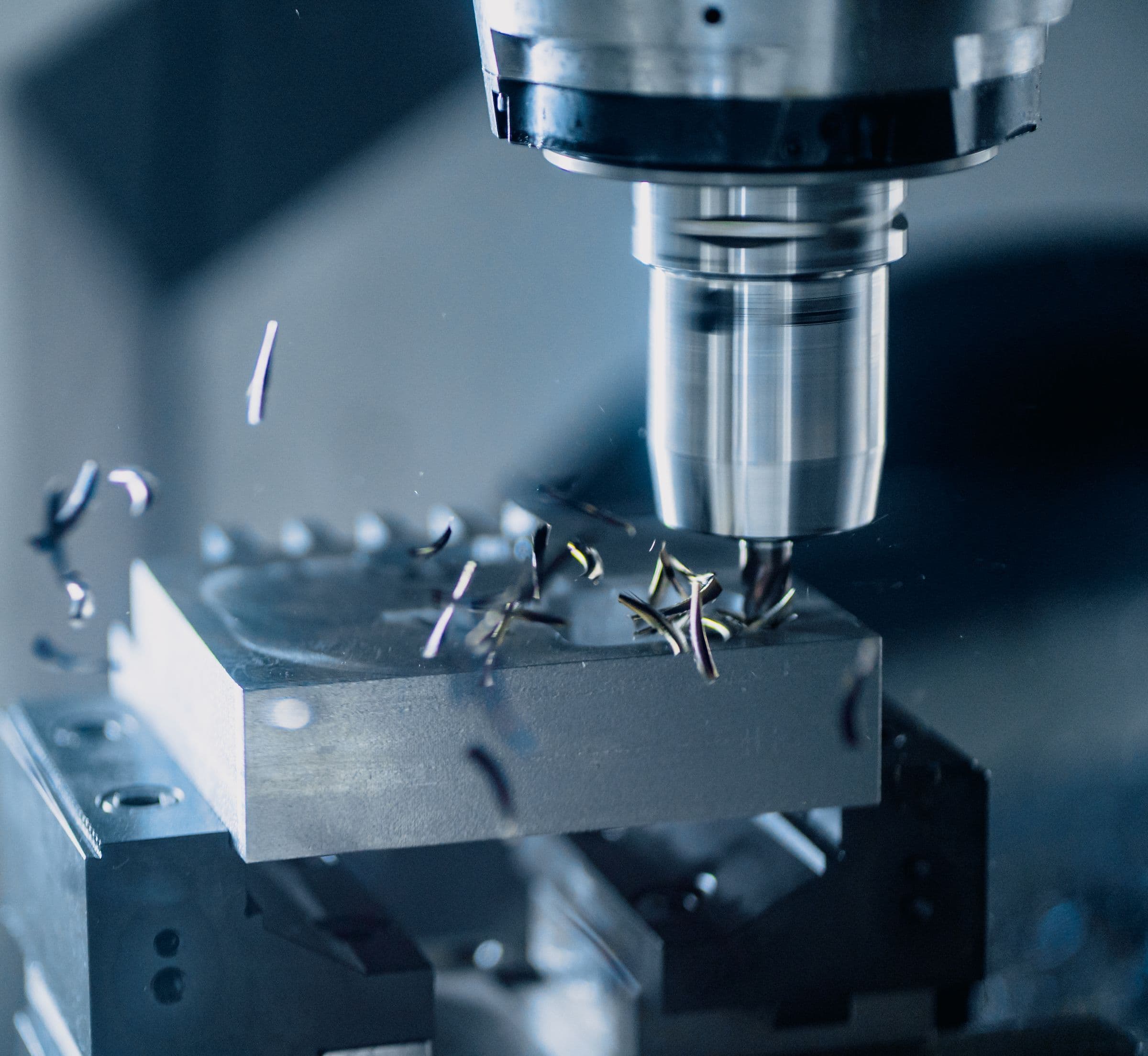
Leadscrew-driven machine axes
Trapezoidal leadscrews and nuts move cross slides, tables and tailstocks on lathes and milling machines.
Leadscrew linear actuators
How to choose the leadscrew and nut for a motor-driven linear actuator: lead for speed, self-locking for holding, diameter for length and load, and the right nut for accuracy and wear.
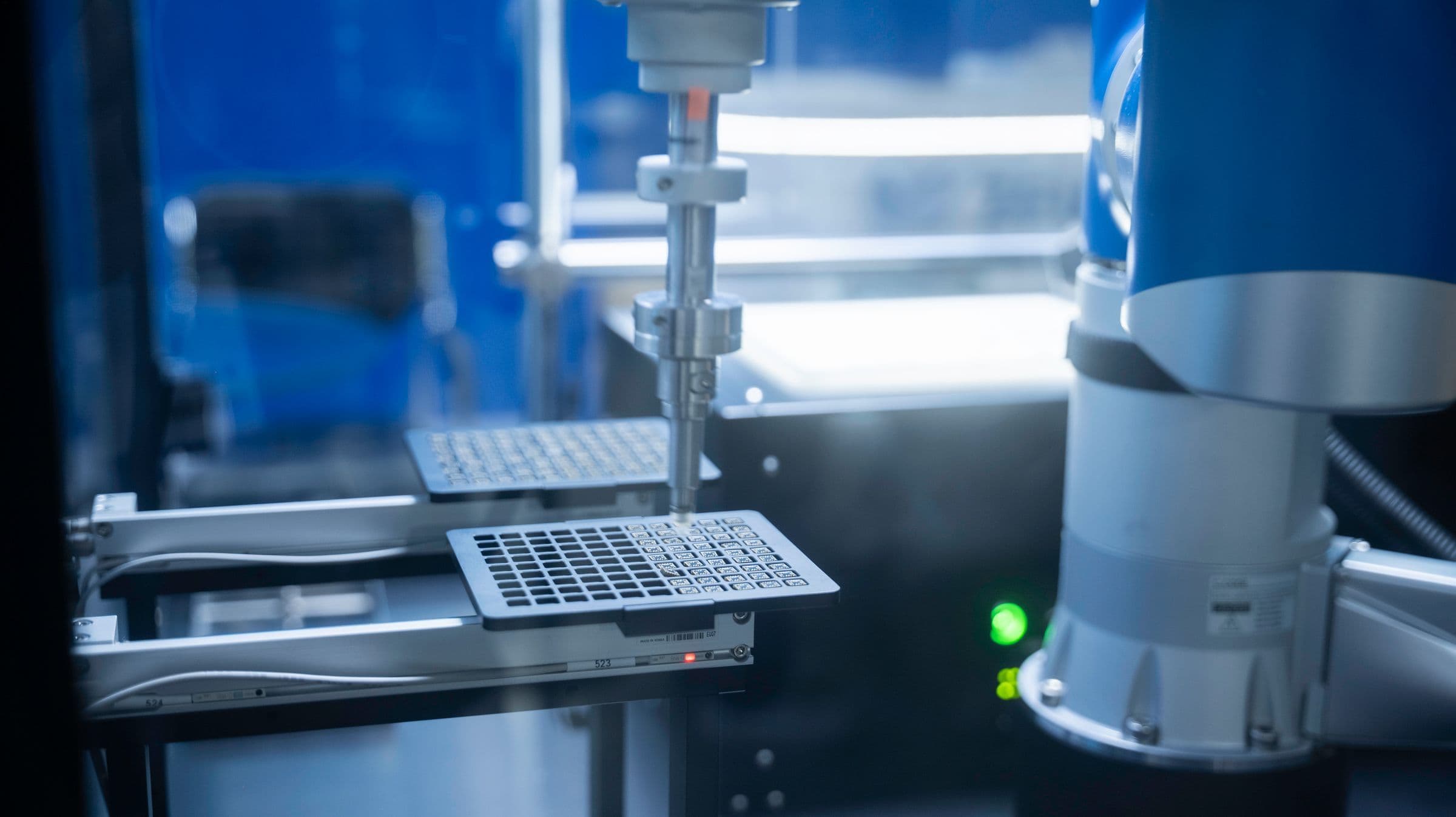
Syringe and infusion pumps
Fine-pitch leadscrews with anti-backlash nuts push the syringe plunger at a precise, steady rate.
Lab automation and analysers
Leadscrew drives position pipettes, sample stages and grippers in analysers and lab automation.
Need Help Choosing the Right Leadscrew?
Tell us your requirement and our engineering team will get back to you with pricing and lead time.