
Electrical & Switchgear · Application
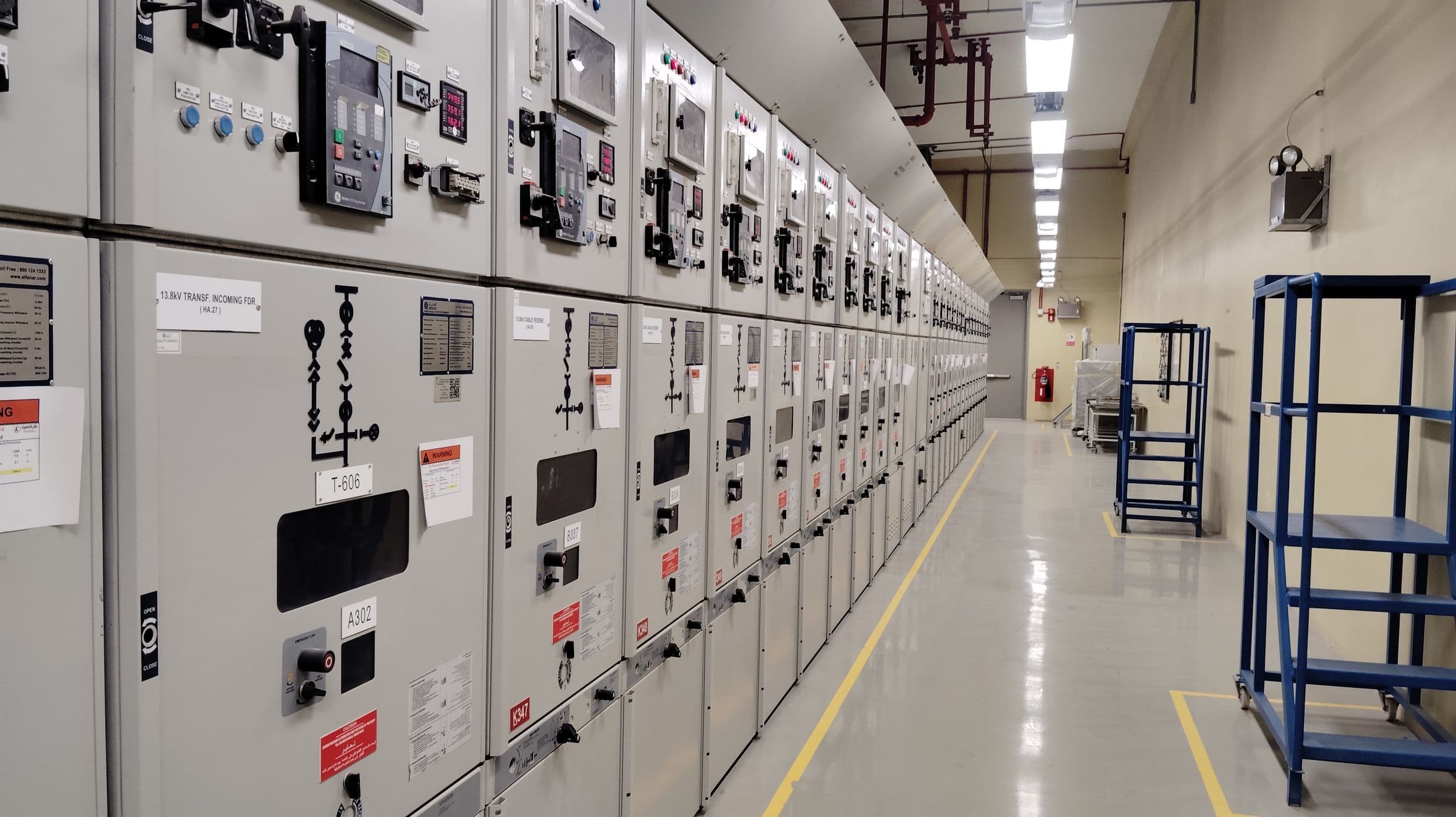
Operating mechanisms for switchgear
Worm reductions drive motorised isolators; leadscrews rack draw-out breakers in and out.
- What was needed
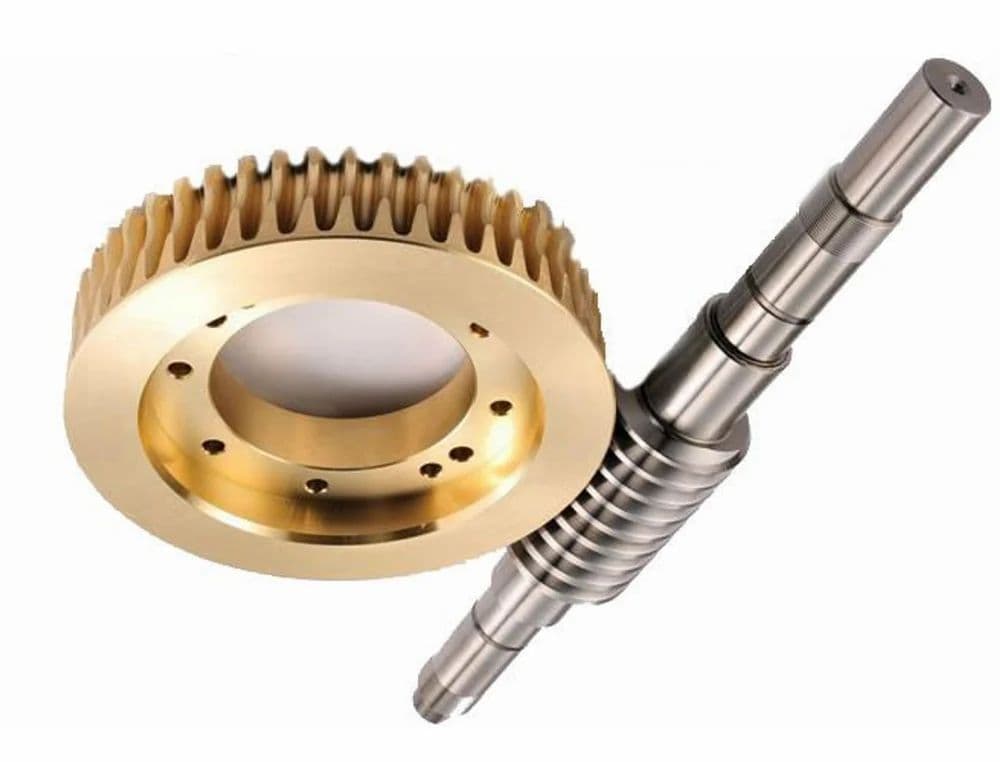
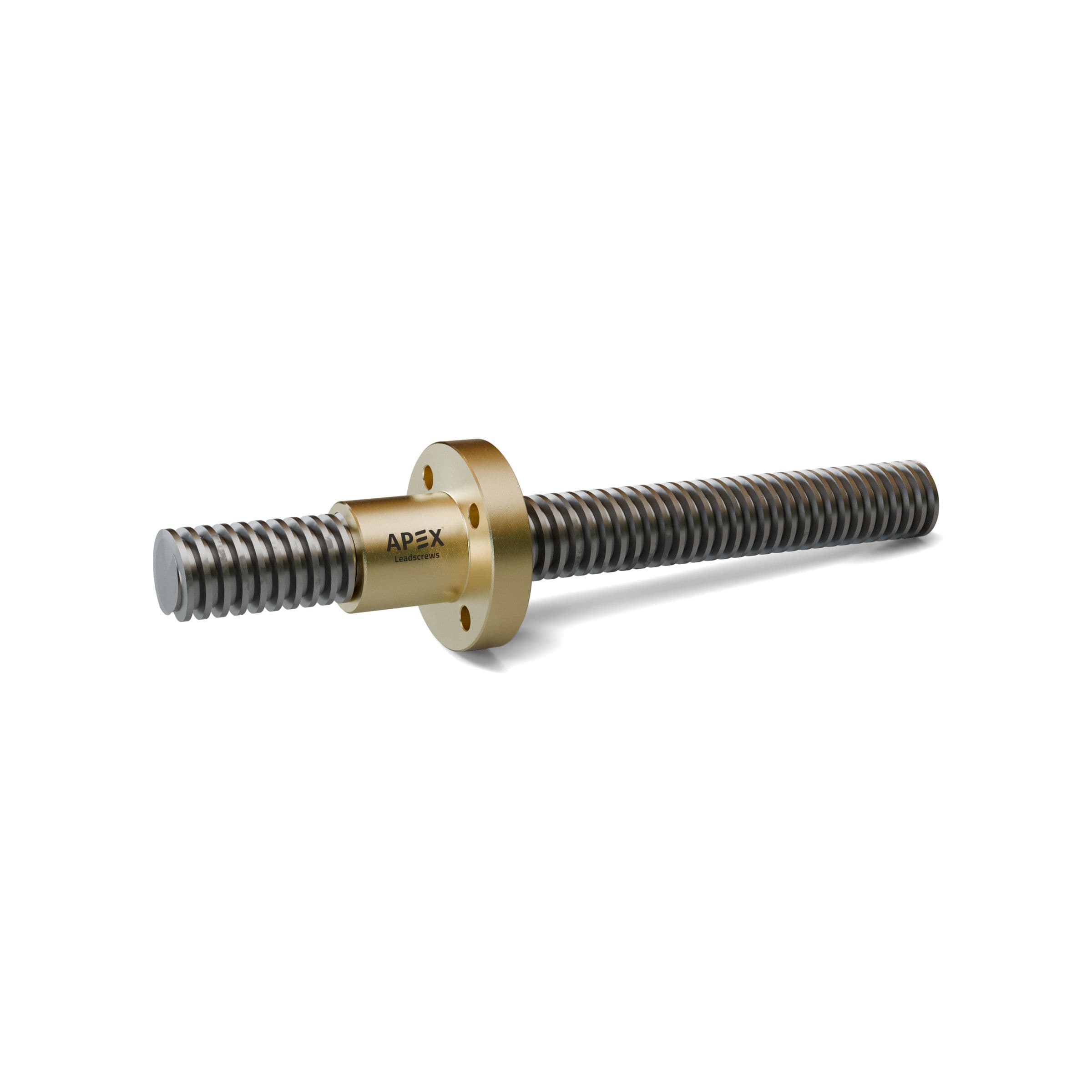
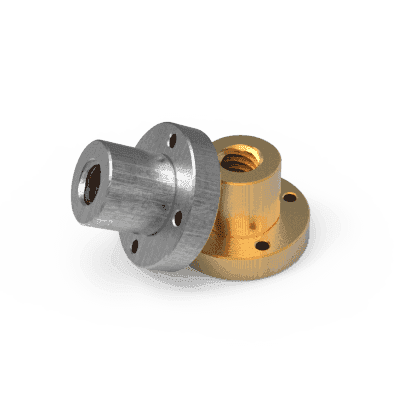
- Worm & Worm Wheel, Single Start Leadscrew, Flange Lead Nut
- Requirements
- Compact, high-ratio drives
- Controlled racking travel
- Holds position
- Industry
- Electrical & Switchgear
- Result
- Smooth, controlled operation inside switchgear panels.
Problem
Motorised isolators need a compact, high-ratio drive, and draw-out circuit breakers must be moved in and out of their cradle smoothly and held in position.
Solution
- Worm and worm wheel sets give the reduction for motor-operated isolators.
- A single start leadscrew and nut converts the racking handle's rotation into controlled linear travel and holds the breaker in place.
Benefits
Why it works
Compact, high-ratio drives
Fits inside switchgear panels.
Controlled, self-holding travel
Leadscrews don't back-drive easily.
Talk to an application engineer
Tell us about your part, material and machine, and we'll recommend the right product and settings.
Explore
Related applications
Knurled inserts for plastic moulding
Diamond and straight knurls on brass inserts lock them into moulded plastic against pull-out and torque.
Rapid
See how it's doneKnurling brass turned parts on sliding-head and automatic lathes
Compact knurling holders that fit the tool positions of sliding-head and automatic lathes for high-volume brass and steel parts.
Rapid
See how it's done